Lauro Benedetto

Pittore

OPERE

WORKS

DIPINTI

PAINTINGS
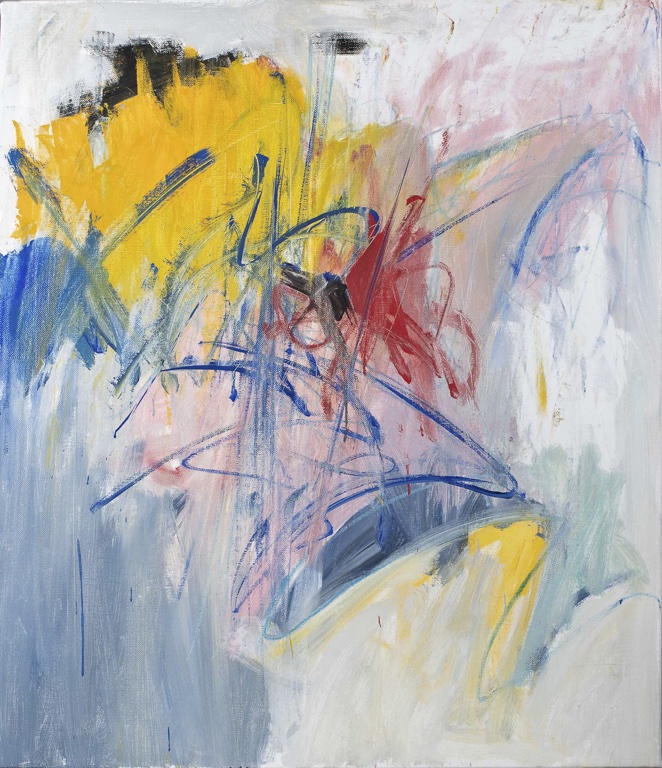
Senza titolo 1, 2018, olio su tela, 110 X 95 cm
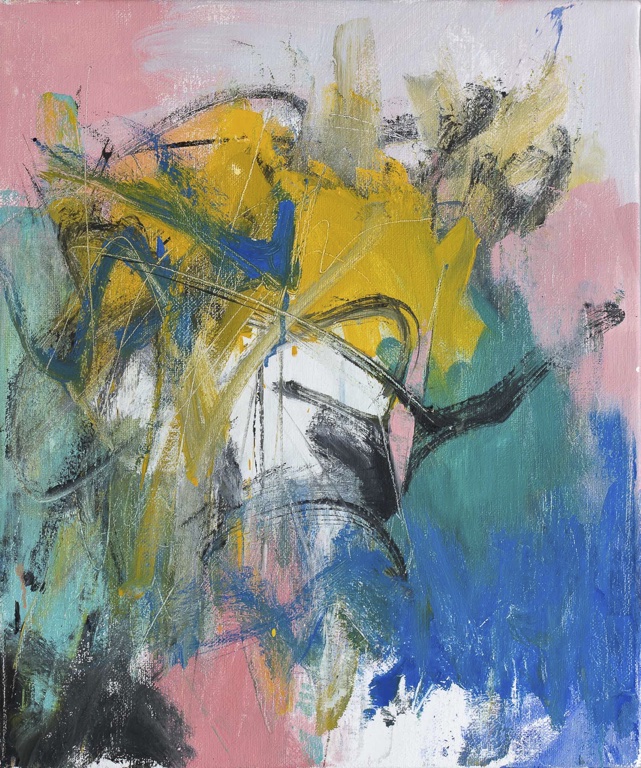
Senza titolo 2, 2018, olio su tela, 60 X 50 cm
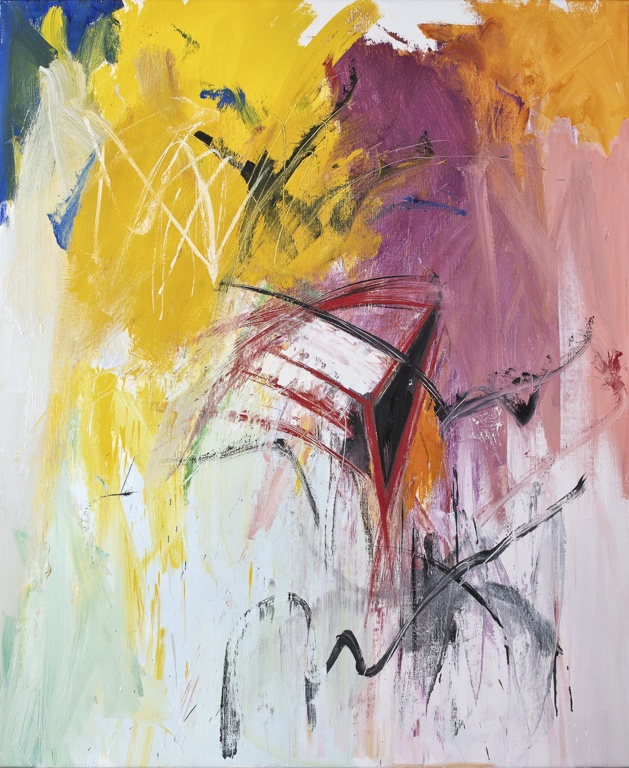
Senza titolo 3, 2018, olio su tela, 115 X 95 cm
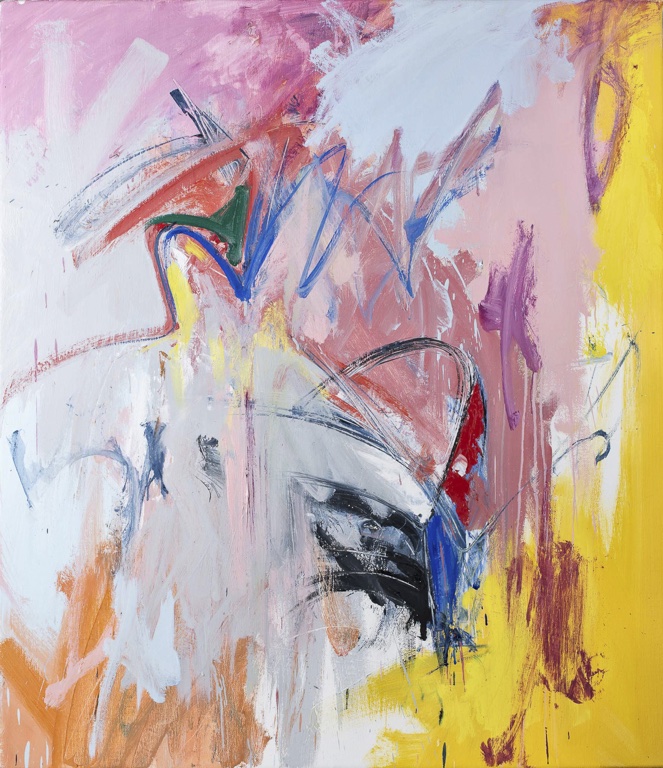
Un giorno di festa, 2018, olio su tela, 110 X 95 cm
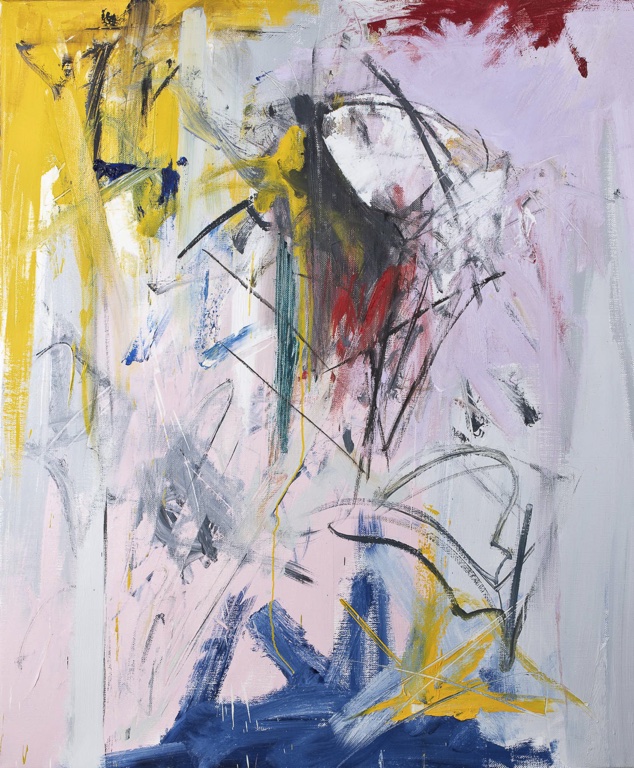
Senza titolo 6, 2018, olio su tela, 115 X 95 cm
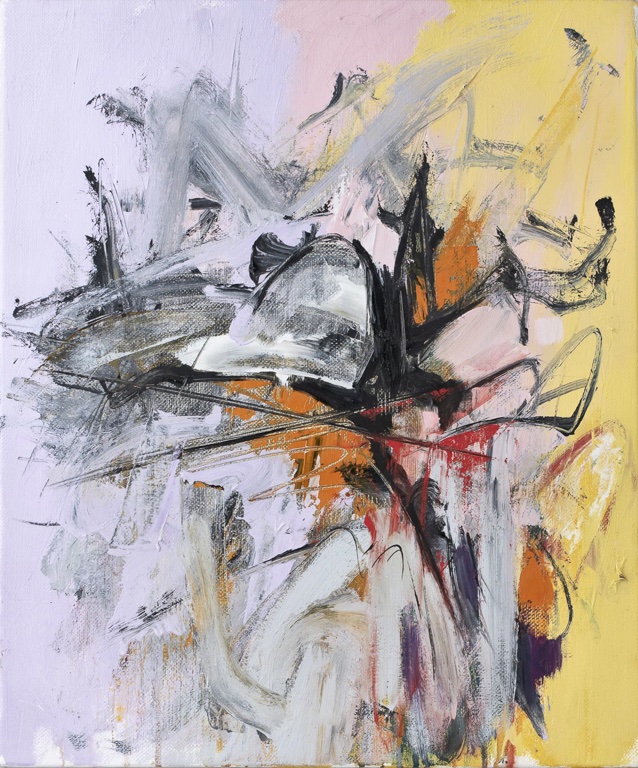
Senza titolo 7, 2018, olio su tela, 60 X 50 cm
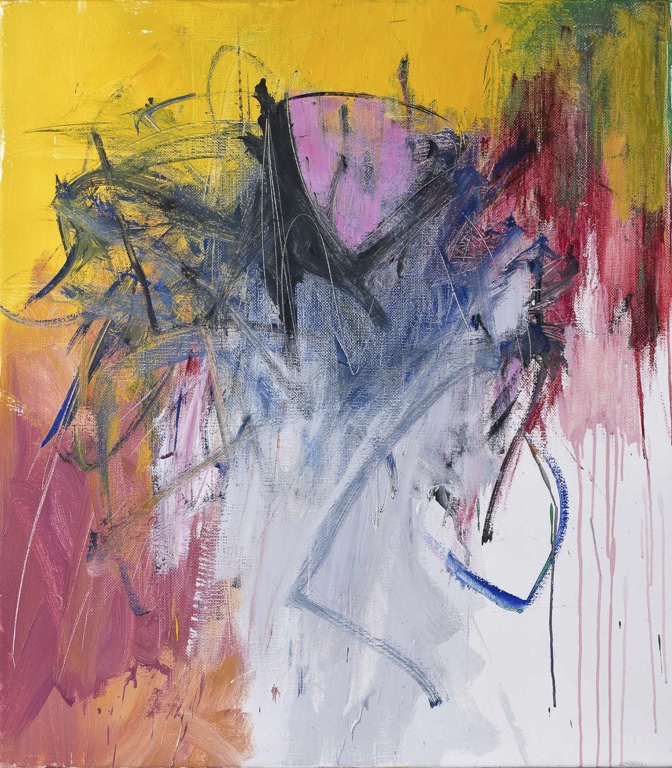
Autunno, 2018, olio su tela, 80 X 70 cm
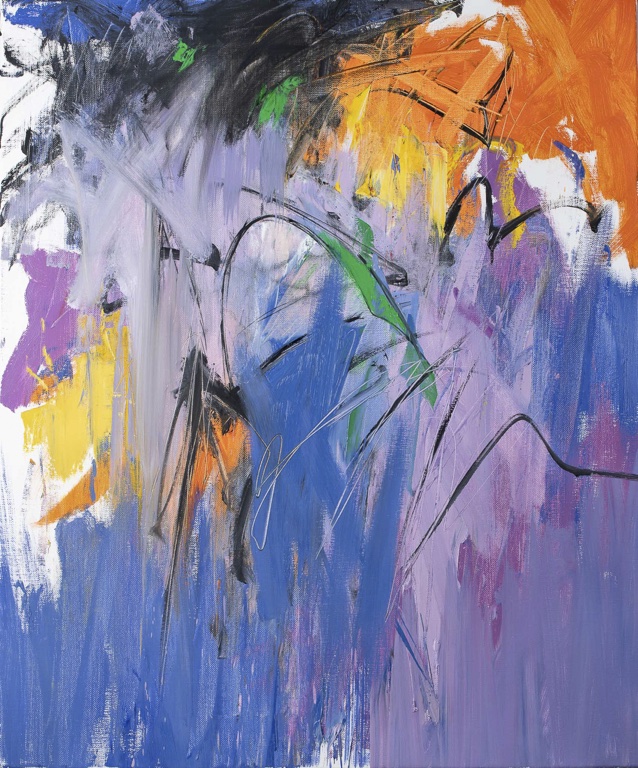
Senza titolo 10, 2019, olio su tela, 115 X 95 cm
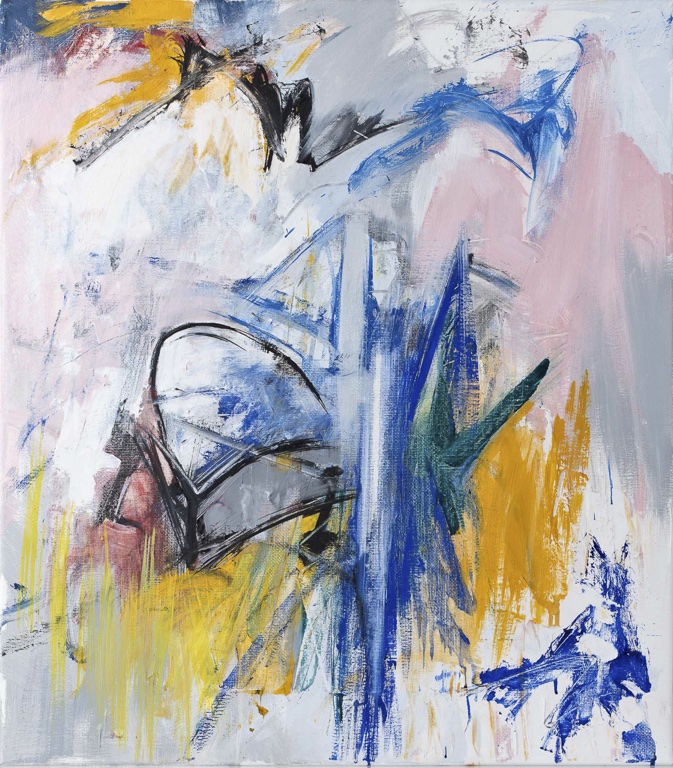
Dopo aver visto Easter Monday di De Kooning, 2019, olio su tela, 80 X 70 cm
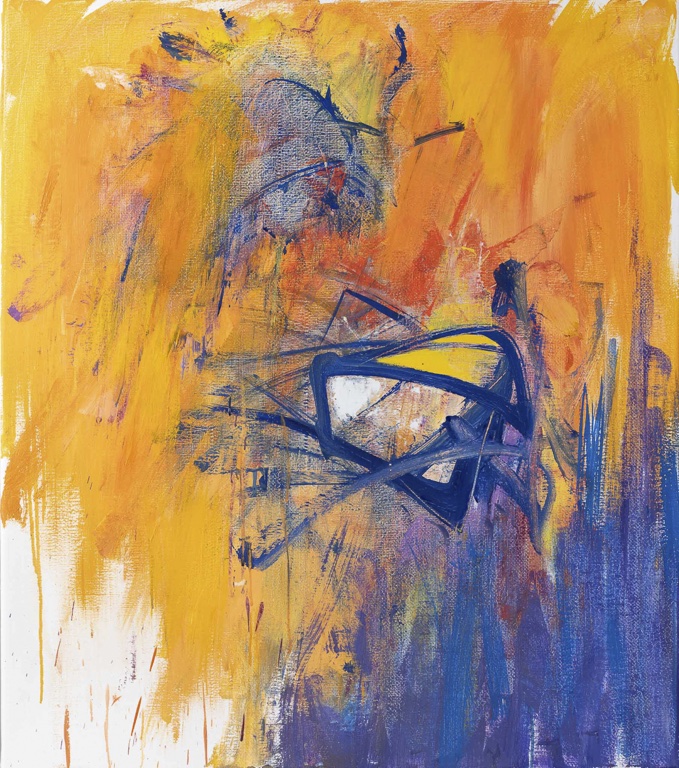
Senza titolo 12, 2019, olio su tela, 80 X 70 cm
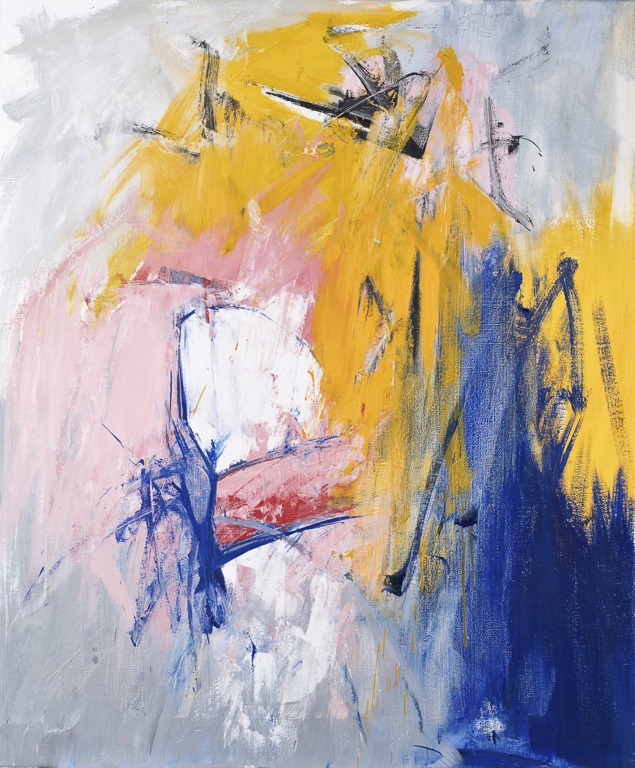
Senza titolo 13, 2019, olio su tela, 115 X 95 cm
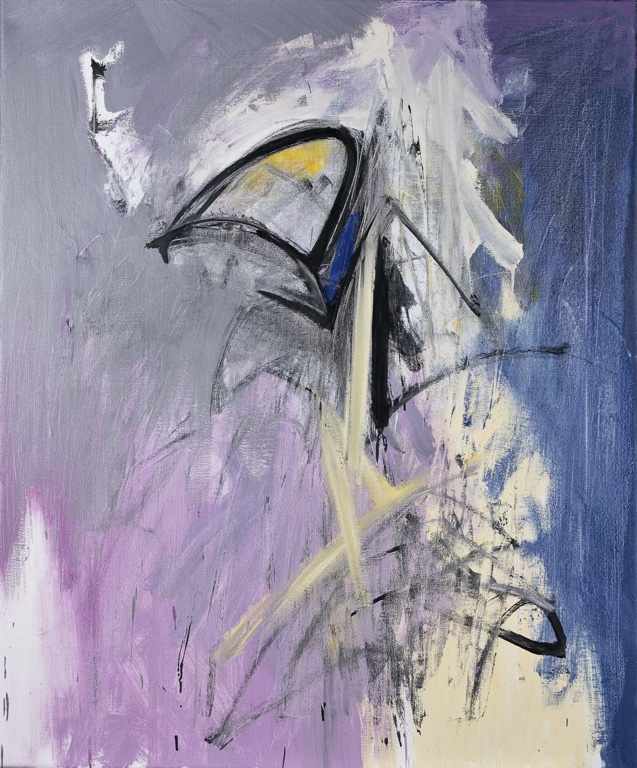
Senza titolo 14, 2019, olio su tela, 115 X 95 cm
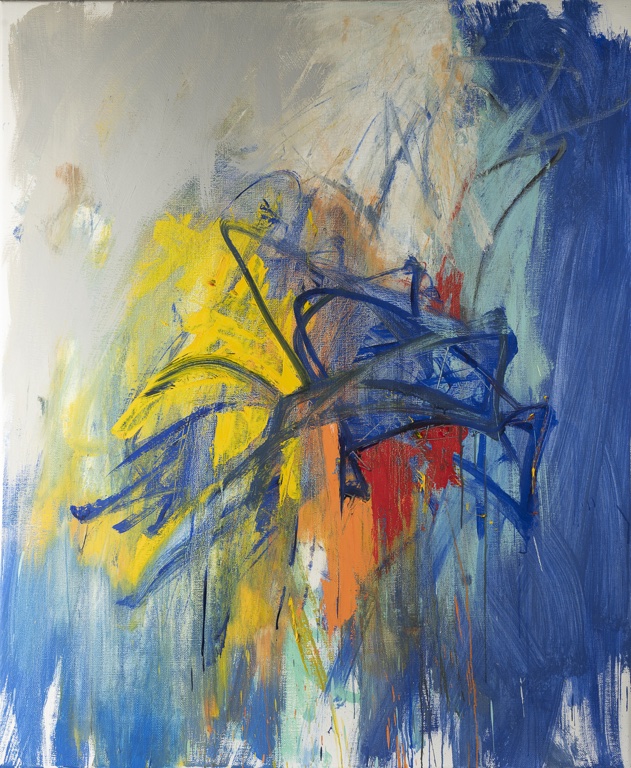
Senza titolo 15, 2020, olio su tela, 120 x 100 cm
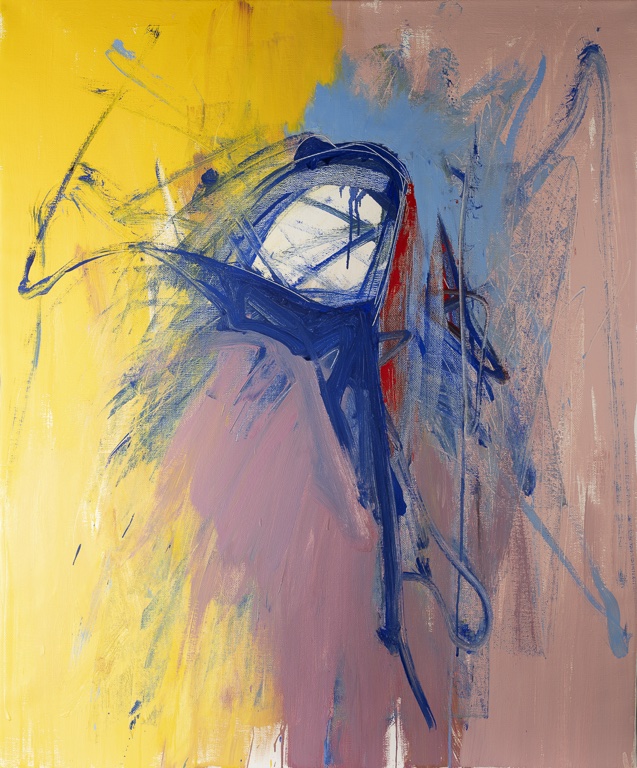
Senza titolo 16, 2020, olio su tela, 115 x 95 cm
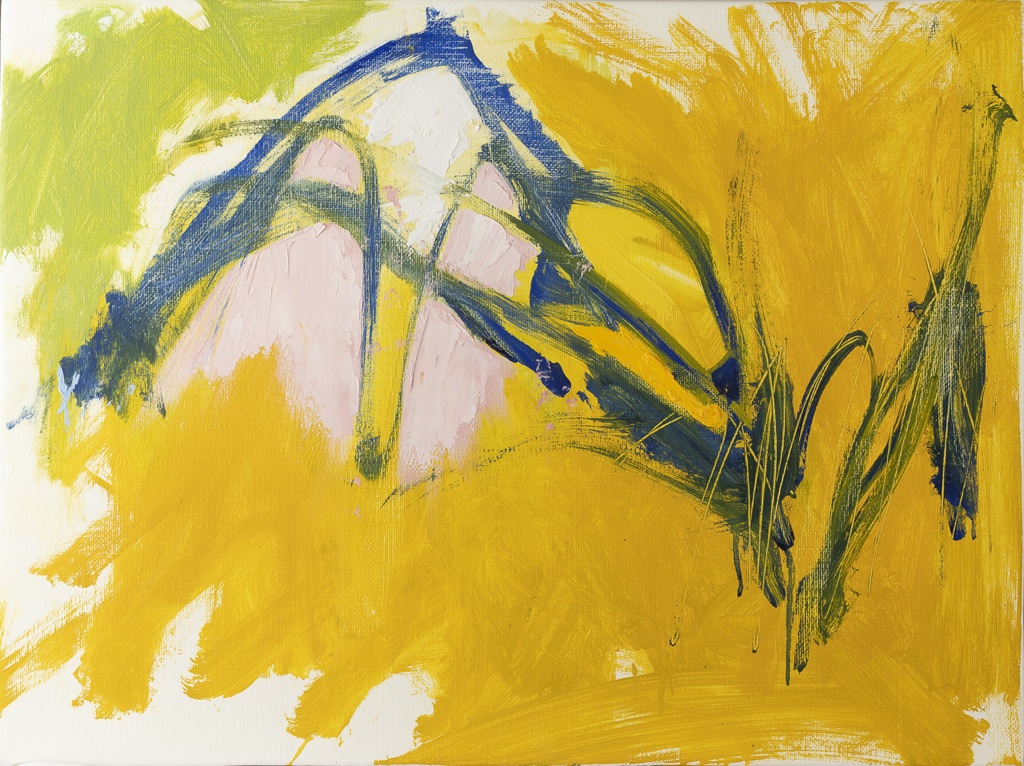
Quasi un paesaggio, leggendo le lettere di Van Gogh, 2021, olio su tela, 60x80 cm
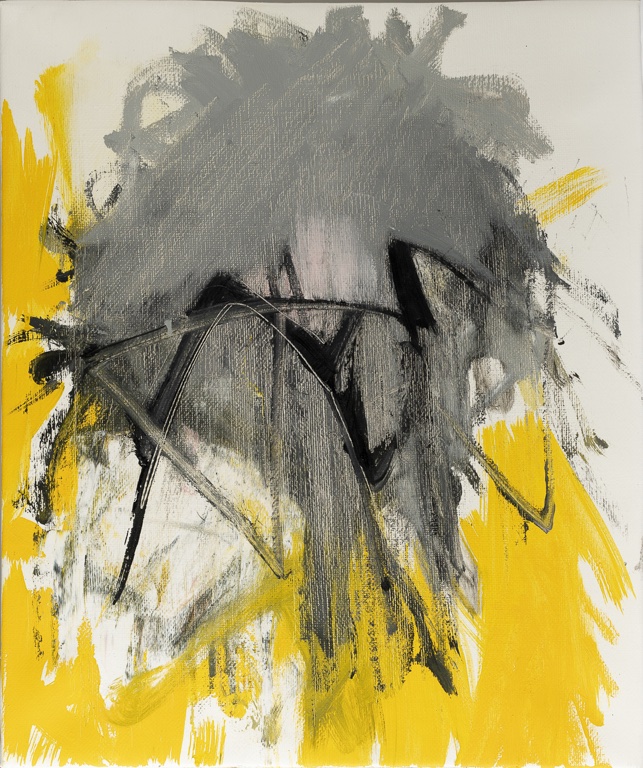
Pittura come disegno, 2021, olio su tela, 60 x 50
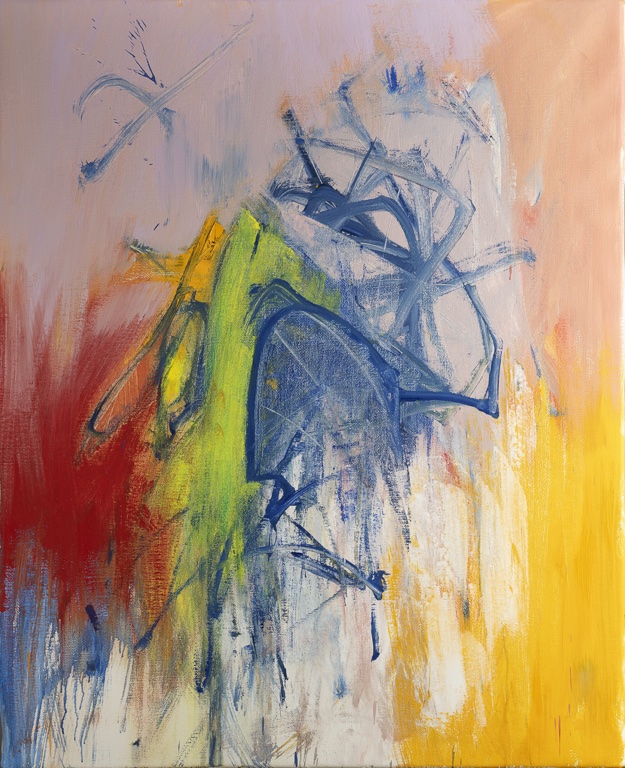
Senza titolo 17, 2021, olio su tela, 100 x 80 cm
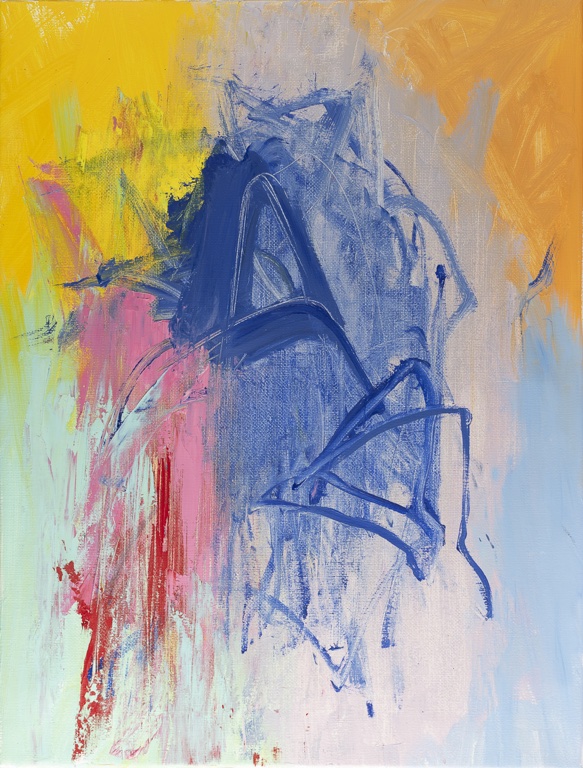
Senza titolo 18, 2021, olio su tela, 80 x 60 cm

DISEGNI

DRAWINGS
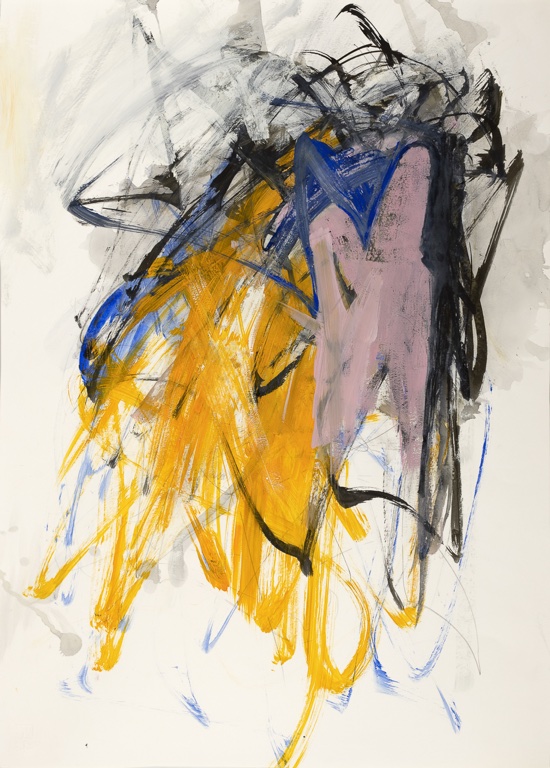
Senza titolo 1, 2020, matita, china, acquerello e tempera, 70 x 50 cm
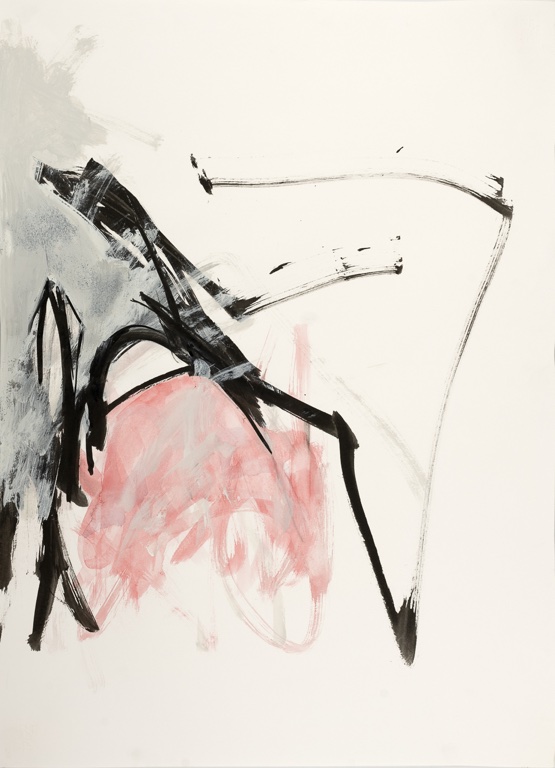
Senza titolo 2, 2020, china, acquerello e tempera, 70 x 50 cm
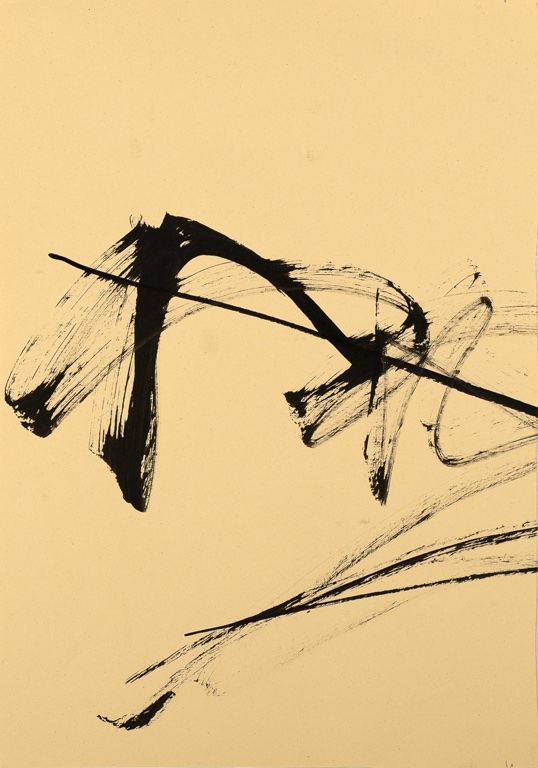
Senza titolo 3, 2020 china, 50 x 34,8 cm
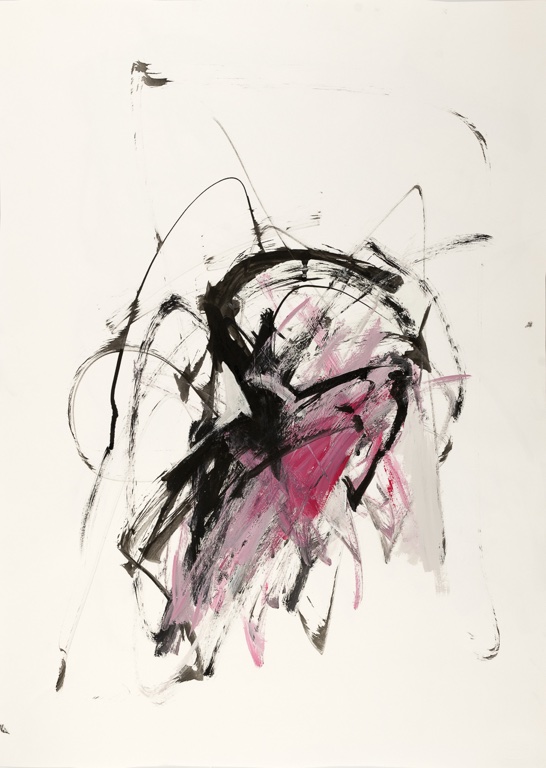
Senza titolo 4, 2020 china e tempera, 70 x 50 cm
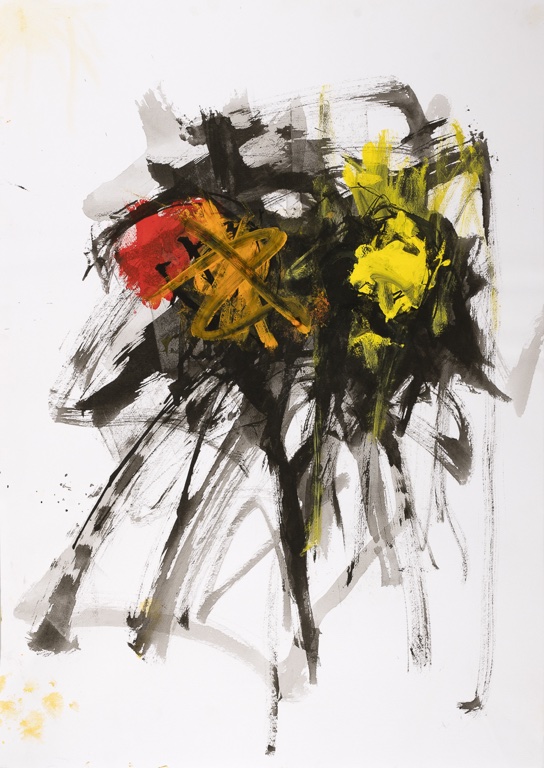
Fiori, 2020, china e tempera, 70 x 50 cm
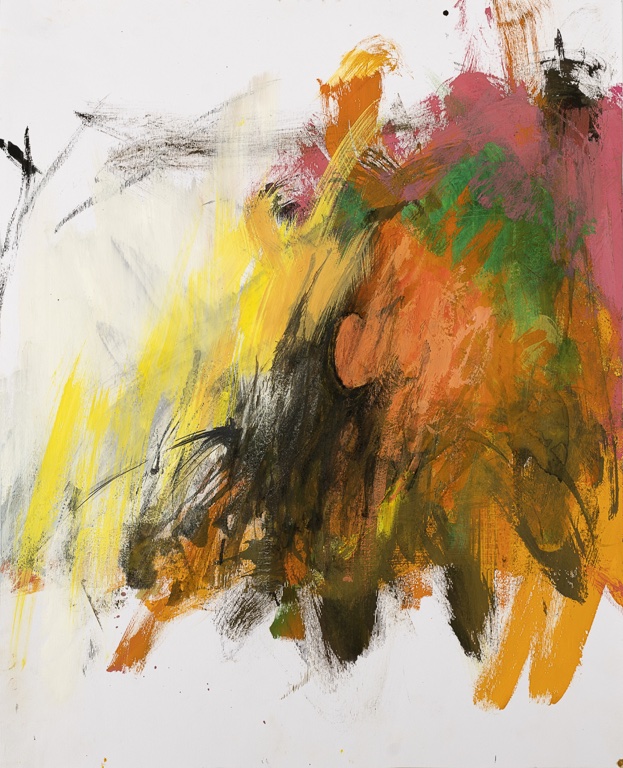
Ottobre, 2020, china, acquerello e tempera, 50 X 40,6 cm
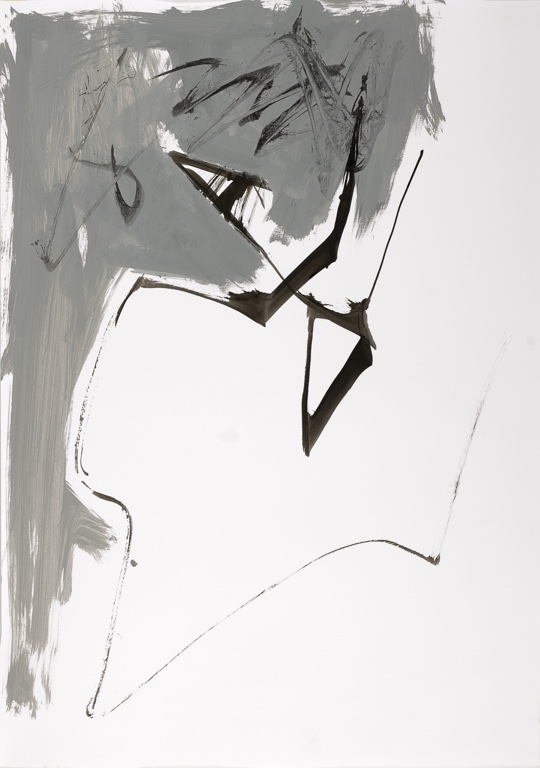
Come una pittura rupestre, 2020, china e tempera, 70 x 50 cm
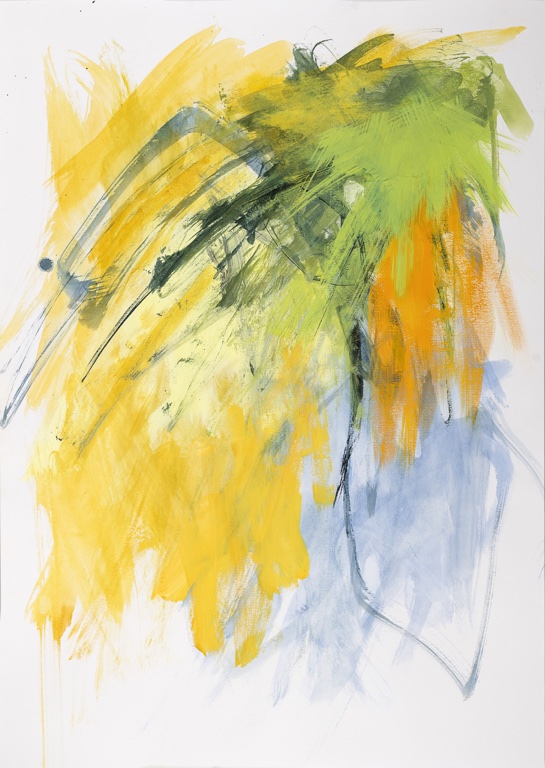
Astronave giocattolo, 2020, china,acquerello e tempera, 70 x 50 cm
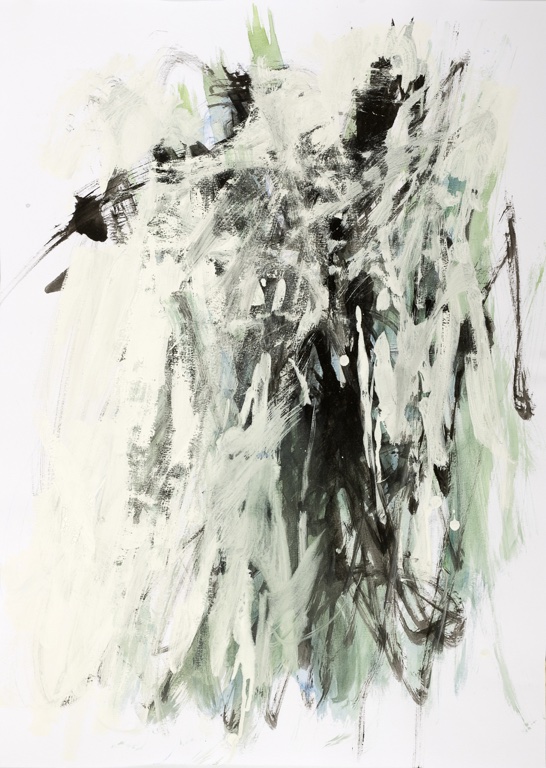
La Foresta Nera, 2020, china, acquerello e tempera, 70 x 50 cm
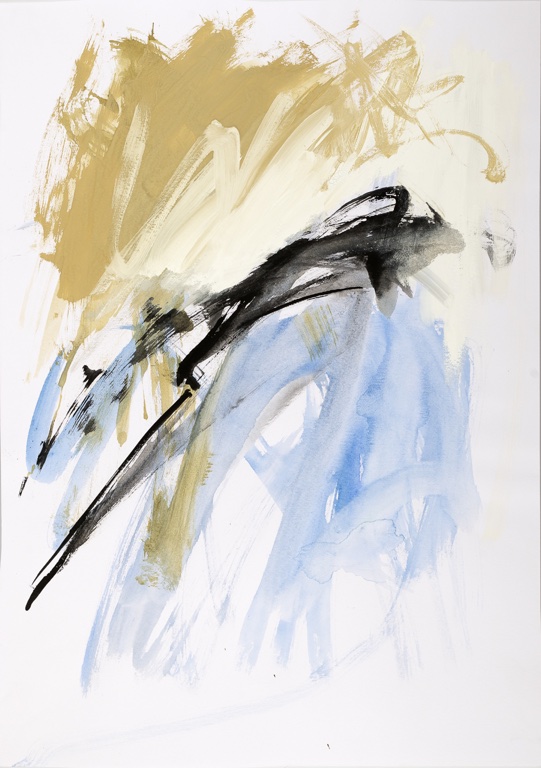
Senza titolo 5, 2020, china, acquerello e tempera, 70 x 50 cm
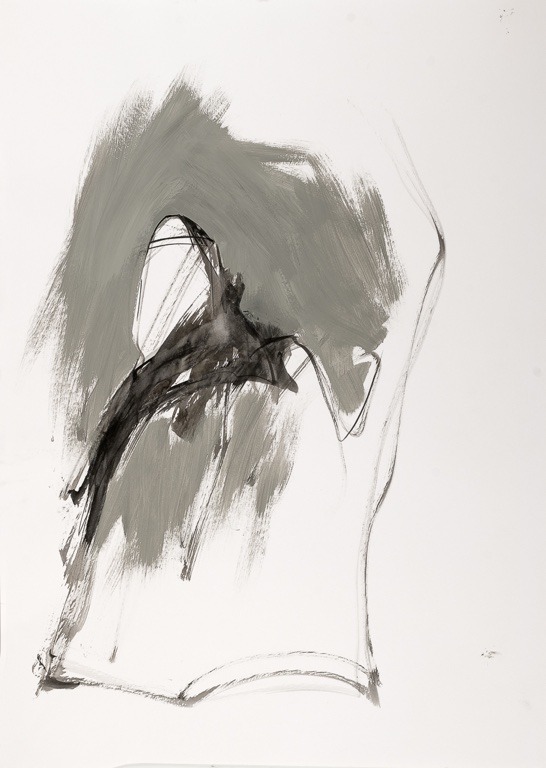
Senza titolo 6, 2020, china e tempera, 70 x 50 cm
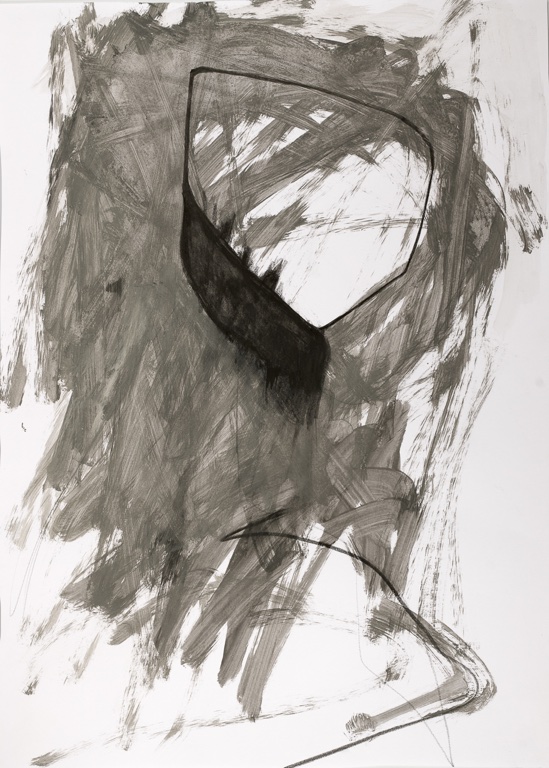
Pietra, 2021, pastello di grafite e tempera, 70 x 50 cm
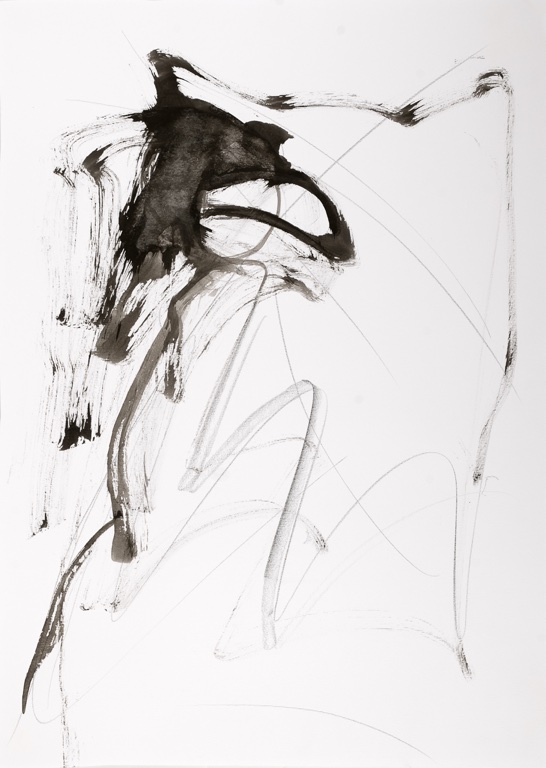
Senza titolo 7, 2021, pastello di grafite e china, 70 x 50 cm
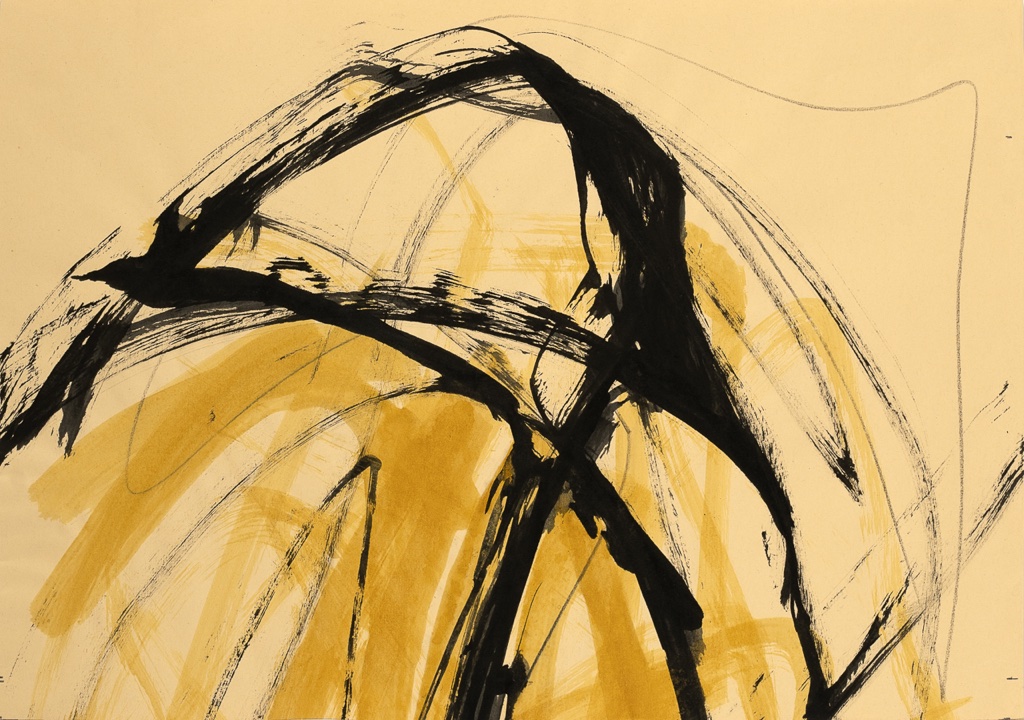
Senza titolo 8, 2021, china, 35 X 50 cm
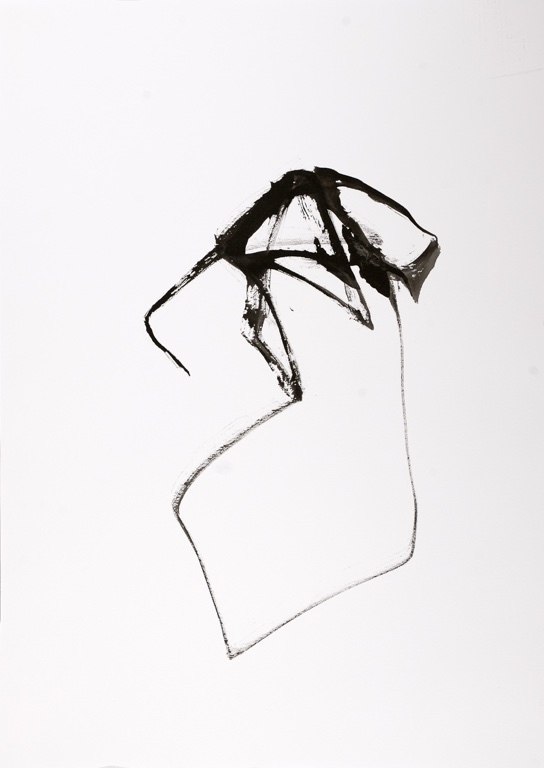
Senza titolo 9, 2021, china, 70 x 50 cm
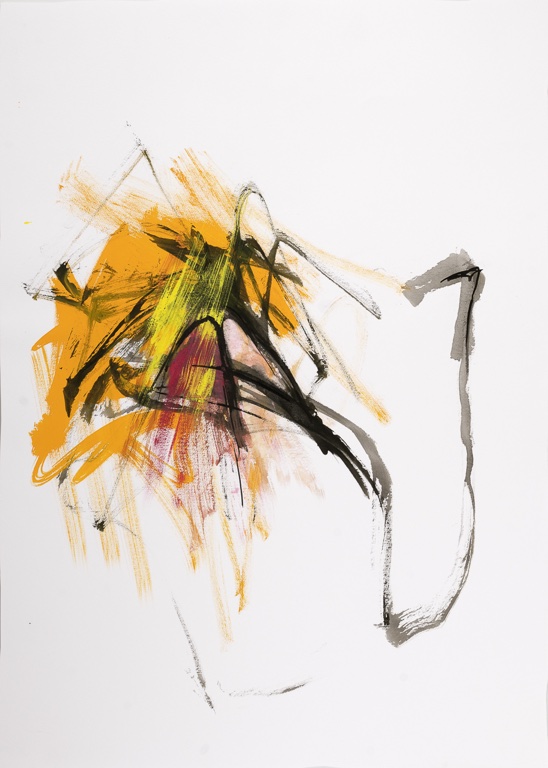
Senza titolo 10, 2021, china e tempera, 70 x 50 cm

PRECEDENTI

PREVIOUS
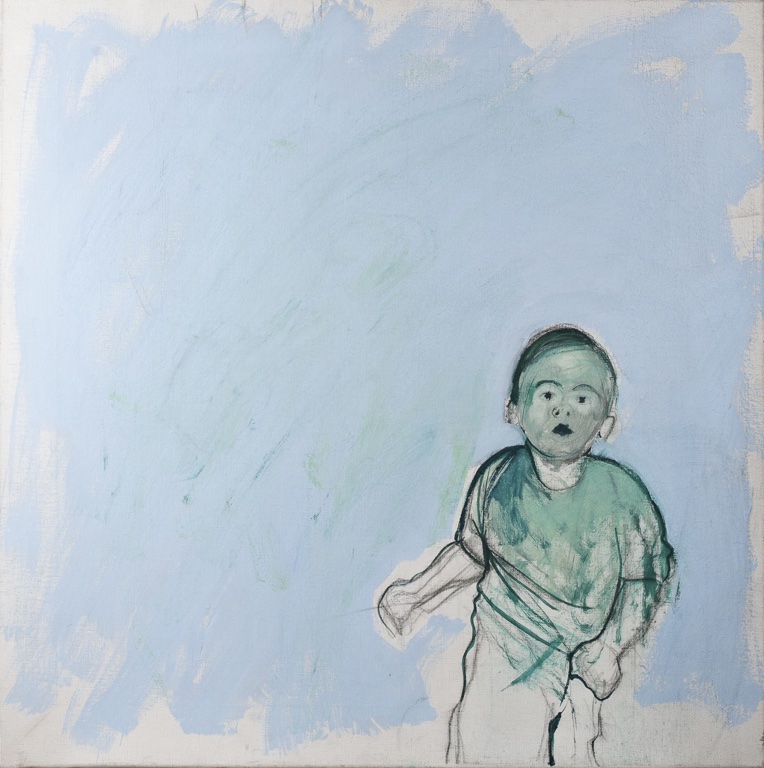
Il bambino arriva correndo, 1988, olio e matita su tela, 100 X 100 cm
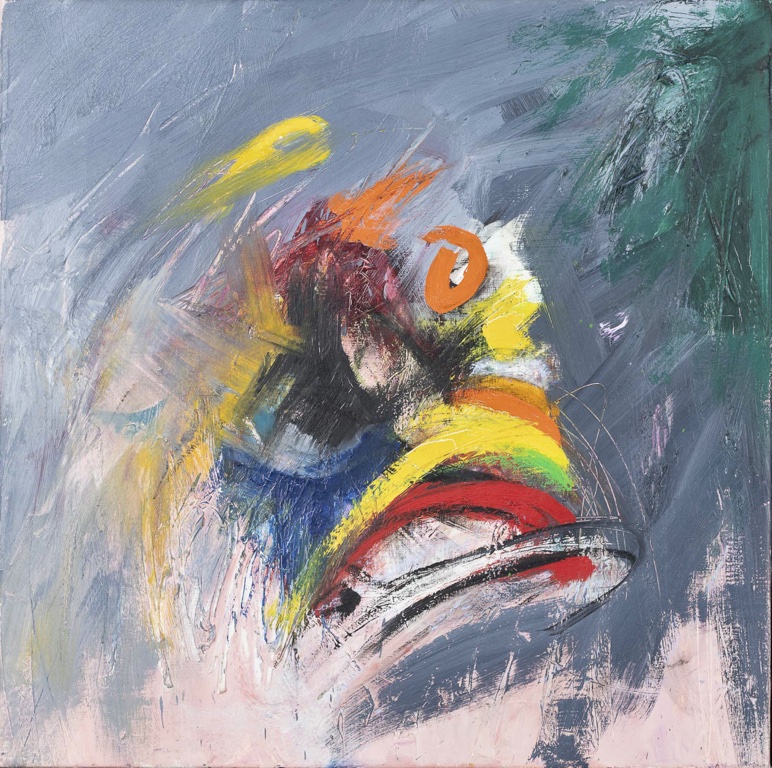
Forse dei giocattoli 1, 1989 - 1990, olio su tela, 70 X 70 cm
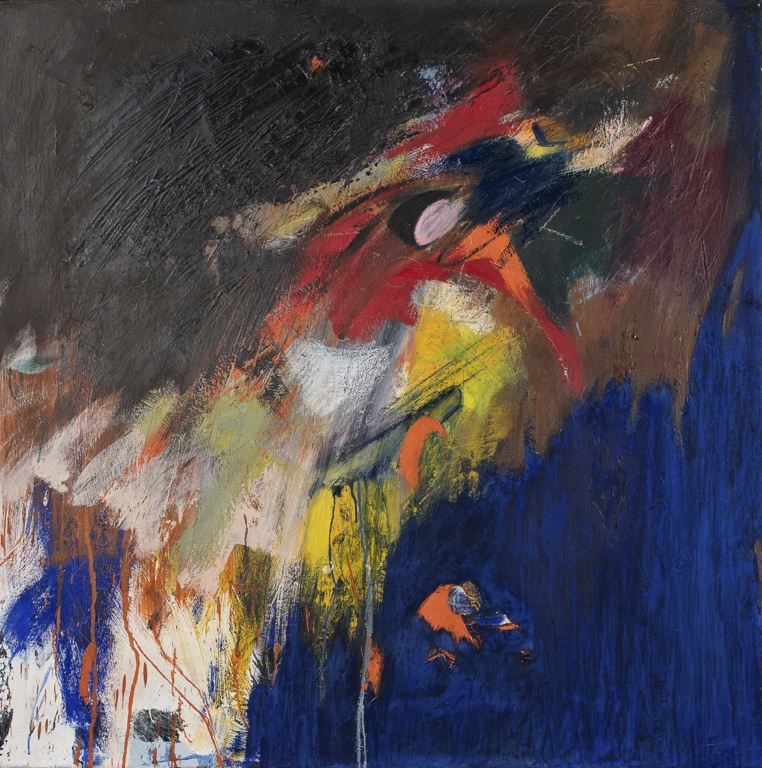
Forse dei giocattoli 2, 1990, olio e pastello su tela, 100 X 100 cm
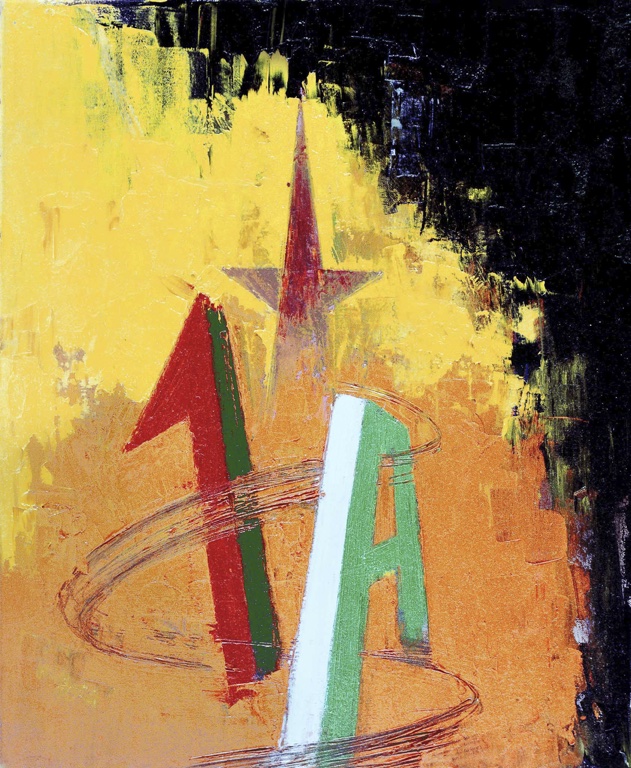
Un lettera, un numero e una stella in una spirale, 1994, olio su tela, 60 X 50 cm
ITA

NOTE BIOGRAFICHE

Nato a Settimo Rottaro (TO) il 18 aprile 1954, vive e lavora a Pavone Canavese (TO)

Formazione e altro

Per buona parte degli anni Settanta partecipa attivamente alle lotte studentesche e sociali di quel periodo, interrompendo la pratica della pittura e del disegno cui si era dedicato fin da giovanissimo. Nel 1973 consegue il diploma di maturità classica e nel 1978, dopo un soggiorno di studio a Parigi, si laurea in filosofia all’università di Torino. Dopo la laurea insegna per quarant’ anni negli istituti tecnici e nei licei fra Torino e Ivrea. Nei primi anni Ottanta riprende a dipingere e per quattro anni frequenta quasi quotidianamente il corso libero del nudo all’accademia Albertina di Torino. Successivamente va a lezione dall’artista torinese Giacomo Soffiantino per imparare la tecnica dell’acquaforte. Nel 1982 frequenta l’accademia estiva internazionale di Salisburgo dove incontra artisti di fama mondiale come Eduardo Paolozzi e Daniel Spoerri, e dove studia pittura sotto la guida dell’artista austriaco Arik Brauer.

ENG

BIOGRAPHICAL NOTES

Born in Settimo Rottaro (TO) on 18 April 1954, lives and works in Pavone Canavese (TO), Italy.

Background and studies

During the 1970s he was an active participant in the season of student and social struggles that characterised those years, leaving to one side the drawing and painting activities which had occupied him from a very young age. He obtained his High School Diploma in 1973 and, in 1978, after a period of study in Paris, he graduated in Philosophy from the University of Turin. After graduating he taught for forty years in high schools between Turin and Ivrea. He took up painting again in the early 1980s and for four years he attended open life-drawing classes at the Albertina Academy in Turin almost daily. Subsequently he took lessons from the Turin artist Giacomo Soffiantino to learn the technique of etching. In 1982 he attended the international summer academy in Salzburg where he met world-renowned artists such as Eduardo Paolozzi and Daniel Spoerri, and where he studied painting under the guidance of the Austrian artist Arik Brauer.

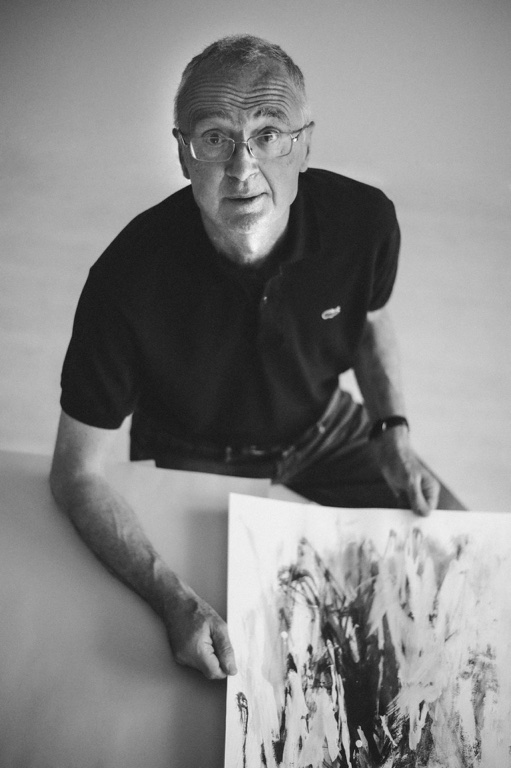
Lauro Benedetto - foto di Maurizio Gjivovich
ITA

CONTRIBUTI CRITICI

Dalla presentazione della mostra alla galleria 4x4 di Parma - Edoardo Di Mauro, 1996

Benedetto è artista che rifugge, per peculiarità sue, da una concezione pittorica basata su una produzione serializzata in cui, individuato un elemento segnico o una tipologia compositiva d’effetto e facile successo, si dà avvio a una clonazione infinita d’esemplari. Tutt’altro. La produzione di Benedetto è estremamente meditata e sofferta, frutto di costanti aggiustamenti formali alla ricerca del’immagine migliore più sintetica, più significante e vicina alla sua concezione.

Non è facile la strada percorsa dall’artista torinese, alla ricerca di una sintesi possibile tra pulsione gestuale che si vuole asciutta e controllata e il desiderio non represso della figura. Una figura che si fa largo tra le pieghe del pigmento, a contendergli porzioni di spazio, in una lotta che vede pari dignità tra i contendenti, in un difficile gioco di bilanciamento, di pieni e di vuoti, di tonalità. La figura che si intravede anch’essa non chiara, decisamente enigmatica, prende le sembianze di stelle, di forme essenziali e geometriche che possono sembrare oggetti ludici, dalla forte valenza simbolica. Il tutto in un viluppo ordinato di segni e tinte ora neutre ora squillanti, e un’azione compositiva che sottende il concetto stesso di pittura.

La pittura neoinformale di Lauro Benedetto

Francesco Poli, 2019
La pittura caratterizzata dall’immediatezza soggettiva della tensione espressiva di segno, gesto, materia, quella che per intenderci rientra nella vasta e articolata categoria dell’Informale è stata la tendenza che ha dominato le ricerche artistiche dal secondo dopoguerra fino agli inizi degli anni Sessanta.

In seguito, con l’affermazione della Pop Art, e delle tendenze artistiche successive, si poteva pensare che il linguaggio dell’Informale fosse definitivamente tramontato.

Ma non è così. Attualmente molti artisti delle nuove generazioni hanno ripreso a dipingere con criteri sostanzialmente analoghi.

Nel caso della pittura di Lauro Benedetto mi pare che ci sia una chiara e sincera adesione a quei valori estetici, non però nel senso di un tardivo epigonismo, ma in quello più raffinato di una ripresa di suggestioni e stimoli filtrati attraverso una precisa consapevolezza dello scarto incolmabile fra il contesto culturale del passato e quello attuale, radicalmente sconvolto dalla globalizzazione.

In altri termini Benedetto, che ha una conoscenza approfondita degli sviluppi dell’arte contemporanea, ha scelto intenzionalmente come modalità espressiva più affine alla sua sensibilità, come mezzo per fare emergere visivamente la sua interpretazione personale dell’esperienza della realtà, una direzione di ricerca basata su presupposti pittorici che potremmo definire neoinformali.

La differenza di fondo con il clima dell’informale storico sta forse nel fatto che la sua pittura ha valenze in un certo senso più intimistiche, e cioè caratterizzate da una azione in qualche modo più riflessiva e meditata.

Questo aspetto sembra emergere chiaramente se si osservano i suoi dipinti nel loro insieme. Da un lato l’effetto immediato è quello di una apparentemente caotica esplosione di combinazioni cromatiche determinata da interventi segnico-gestuali carichi di energia emotiva.

Ma dall’altro lato, quando si guarda con attenzione l’esito espressivo di un singolo quadro e lo si compara con quello degli altri dipinti, ci si rende conto che al di sotto (o all’interno) della fluida vitalità delle macchie e stesure stratificate di colori e delle combinazioni di graffianti segni, si percepisce la presenza di valenze strutturali compositive sostanzialmente costanti, che non sono predeterminate ma che nascono dalla peculiare tensione del processo operativo.

Elemento comune di partenza nell’elaborazione di ogni quadro, è una configurazione più o meno evidente che fa riferimento, come spiega il pittore, al ricordo delle forme di giocattoli della sua infanzia. Per Benedetto questo riferimento ha sicuramente un profondo significato intimo, anche se per l’osservatore la sua presenza rimane piuttosto criptica. Tuttavia quello che conta è che si tratta di un elemento generatore che ha una funzione chiave nell’elaborazione dell’identità stilistica della sua pittura. In un certo senso il seme segreto da cui nasce la sua visione.

ENG

CRITICS’ COMMENTS

From the presentation of the exhibition at the 4x4 Gallery in Parma - Edoardo Di Mauro, 1996

Benedetto is an artist whose particular characteristics make him shy away from a concept of painting based on the production of works in series, where it is enough to come up with a striking and successful element of signage or typology of composition which sparks off an infinite string of clones. Quite the opposite. Each of Benedetto's works is the result of deep thought and struggle, refined by constant adjustments to the form in order to arrive at the best, the most concise, the most significative image and the one closest to his vision.

This Turin-based artist has not chosen an easy path in the search for a possible synthesis between the gestual impulse, which must be lean and controlled, and the unrepressed desire for the figure. A figure which makes its way through the folds of the pigment, competing for its portion of space in a struggle which recognises the equal dignity of the two contenders in a difficult game of balance, of full and empty spaces, of tonalities. The figure, which can be glimpsed but not clearly seen, decidedly enigmatic, takes the form of stars, essential and geometric shapes which can look like playthings, with a strong symbolic value. All of this within an orderly tangle of signs and colours - neutral one moment, brilliant the next - and a compositional action which underlies the very concept of painting.

The neoinformel painting of Lauro Benedetto.

Francesco Poli, 2019
From the end of the Second World War to the beginning of the 1960s, the vast and complex category of Art Informel , characterised by the subjective immediacy of expressive tension based on sign, gesture and material, came to represent the dominant trend in artistic research.

Afterwards, with the affirmation of Pop Art and the artistic tendencies that followed, it seemed as if the language of Art Informel had been definitively eclipsed.

But that is not the case. Many artists of the new generations, have started painting with largely analogous criteria once again.

In Lauro Benedetto's painting, there seems to me to be a more open and honest adherence to the aesthetic values of the Informal movement; not in the sense of an outdated epigonism, but in the more refined sense of a revival of those suggestions and stimuli filtered through the lucid consciousness of the unbridgeable gap that exists between the cultural context of the past and that of a present which has been turned upside-down by globalisation

In other words Benedetto, with his in-depth knowledge of the developments of contemporary art, has deliberately chosen to base the visual expression of his personal interpretation of reality on the fundamental pictorial elements that can best be described as neoinformel.

There is, it seems to me, a fundamental difference in the mood of Benedetto's art compared with that of the historic informel movement. His painting has a more intimate value, characterised by a more reflective and pondered execution.

This aspect emerges clearly if one observes his paintings as a whole. On the one hand, the immediate impact is that of an apparently chaotic explosion of chromatic combinations produced by sign/gesture actions full of emotive energy.

But, on the other hand, when we look carefully at the expressive result of an individual painting and compare it with the others, we realise that below (or within) the fluid vitality of the splashes and the layering of colours together with the combinations of abrasive markings, we perceive the presence of largely constant compositional structures which are not predetermined but which spring from the peculiar tension of the creative process.

As the artist explains, the common starting point in the elaboration of each painting is a configuration which refers, more or less overtly, to the shapes of toys from his childhood. This reference surely has a deep and intimate meaning for Benedetto, even though its presence remains quite cryptic to the observer. What matters, however, is the key function of this generating element in the elaboration of the stylistic identity of his painting. It is, in a certain sense, the secret seed from which his vision grows.

ITA

ESPOSIZIONI

  • 1994: espone per la prima volta due sue opere alla fiera d’arte Attualissima, al Palazzo degli Affari di Firenze.
    Successivamente partecipa a una collettiva alla galleria V.S.V. di Torino, che nello stesso anno gli allestisce la prima personale.
  • 1995: partecipa ad Artissima a Lingotto fiere, Torino. Rinnoverà questa partecipazione l’anno seguente.
  • 1996: personale alla galleria 4,5 X 4,5 di Parma.
  • 1996: collettiva al palazzo del comune di Asti.
  • 2000: collettiva alla galleria Il Mulino di Ivrea (TO).
  • 2002: personale alla galleria Il Mulino di Ivrea (TO).
  • 2015: personale alla galleria Stampatori di Torino.
  • 2020: personale alla libreria Livrè di Ivrea (TO).
ENG

EXHIBITIONS

  • 1994: for the first time he exhibited two of his works at the art fair Attualissima at the Palazzo degli Affari in Florence.
    Subsequently he took part in a collective exhibition at the V.S.V. Gallery in Turin. Later in the same year, this gallery hosted his first solo exhibition.
  • 1995: he took part in Artissima at Lingotto Fiere in Turin. He took part again the following year.
  • 1996: solo exhibition at the '4,5 X 4,5' gallery in Parma.
  • 1996: collective exhibition at Asti city Hall.
  • 2000: collective exhibition at the 'Il Mulino' gallery in Ivrea (TO).
  • 2002: solo exhibition at the 'Il Mulino' gallery in Ivrea (TO).
  • 2015: solo exhibition at the 'Stampatori' gallery in Turin.
  • 2020: solo exhibition at ‘Livrè’ bookshop in Ivrea (TO).

CONTATTI | CONTACT

ITA
E-MAIL

Scrivimi una mail a info@laurobenedetto.it per essere ricontattato.

ENG
E-MAIL

Write me at info@laurobenedetto.it for subsequent contact.

The buttons below are impossible to resist...

Click Me! Look at Me!